Property Rentals
Island West Coast Rentals
Campbell River

Track down the right lease, from downtown buildings to beachfront low-rises along the eastern shore.
Search by name or street, narrow to a neighbourhood, sort by newest or biggest.
See all on the mapProperty RentalsIsland West Coast RentalsCampbell River Property RentalsRE/MAX Property Management Campbell RiverCampbell River
 Property ManagersVeyron Properties Group Ltd.Campbell River
 Property ManagersPacific Quorum (Vancouver Island) Properties Inc.Campbell River
 Property Managers460 Property Management Campbell RiverCampbell River
 Property RentalsCoastline Property ManagementCampbell River
Provincial law changes recently forced most strata corporations to accept long-term tenants. This shift opened up many units across the city. You will deal directly with individual owners or their hired property managers rather than a central building superintendent.
Renting a condo gets you newer buildings, views and amenities, often from individual owners.
Most condo rentals are downtown and along the waterfront. You will rent from the owner or their property manager, and strata rules apply to tenants too.
Check parking, storage and pet rules before you sign.
Property managers and rental offices.
Campbell River
Campbell River
Campbell River
Campbell River
Campbell River
Campbell River
Hover for a closer look.Tap a card for a closer look. A conversation takes you further.
Our condo rentals feed is filling up. Leave your email and we’ll send new Campbell River listings, open houses and neighbourhood guides as they land.
Review these practical details about signing a lease and living under local strata bylaws.
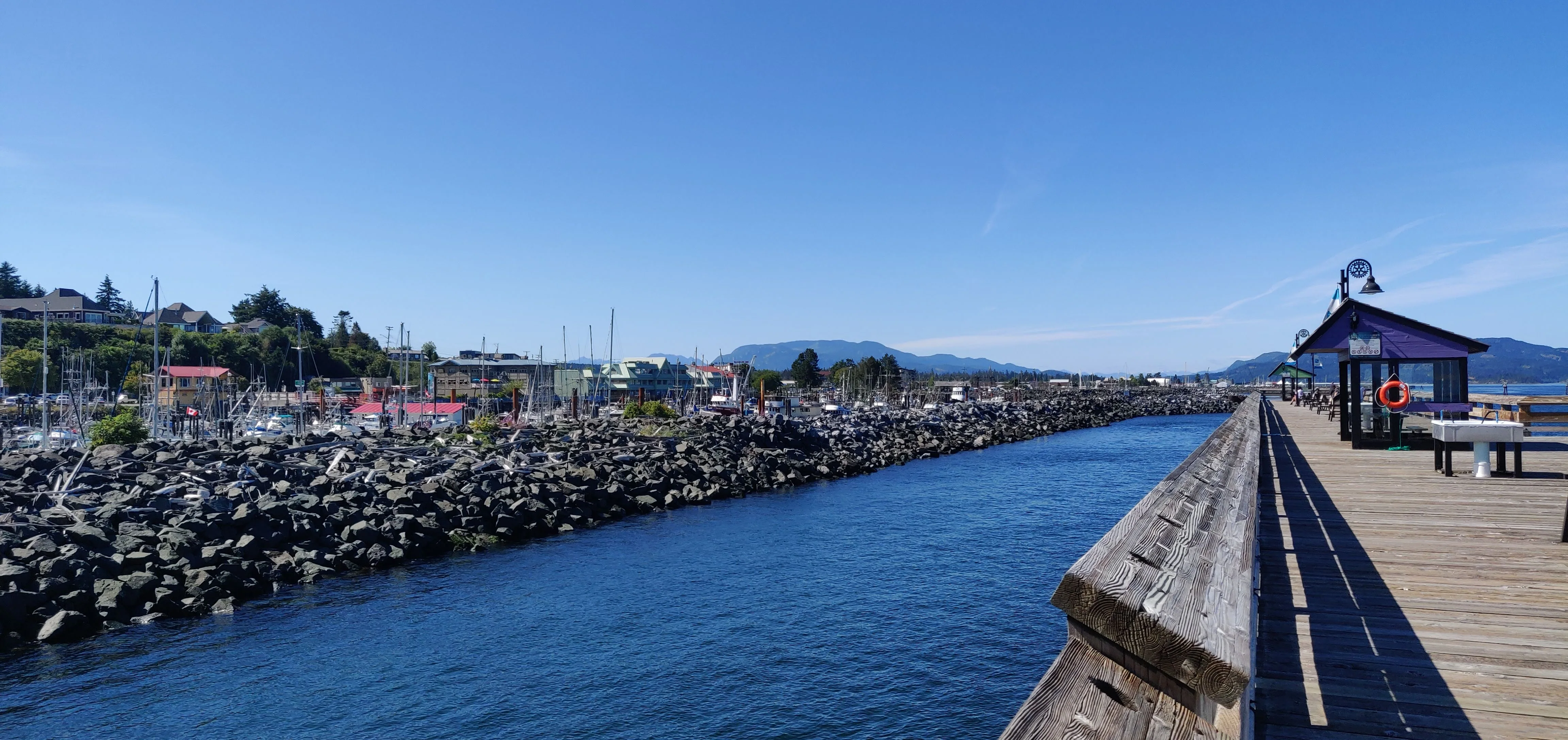
Begin your search near the Discovery Fishing Pier for walkable urban access. If you prefer quiet mornings, look south toward Willow Point where low-rise buildings sit directly across from the Sea Walk.
Finding a unit often means contacting agencies like Island West Coast Rentals or Coastline Property Management. Renters have choices, from the central hubs of Downtown to the scenic oceanfront communities in Willow Point and Campbell River South. A recent provincial law change means most strata corporations can no longer prohibit long-term tenants, opening up units in many older buildings.
Keep in mind that some complexes remain primarily owner-occupied, creating a quieter community. In areas like Quinsam Heights and Campbellton, you will find a mix of older and newer developments. Desirable units get snapped up quickly before the summer salmon fishing season begins.
Modern strata complexes compete on their shared spaces. It is standard to find secure parking and extra storage lockers for your outdoor gear. Many properties near the water include community BBQ areas, fitness centres, and balconies overlooking Discovery Passage.
Marine views are a major draw during warm summers, creating a busy scene from May to October when the salmon runs happen and whale watching hits its peak. Parking is almost always included, usually limited to one stall per unit. Securing a second stall can be difficult and typically requires an extra monthly fee.
Beyond the fun stuff, practical additions are common. Expect in-suite laundry and secure bike storage. When comparing units, weigh the monthly rent against how much you will actually use these extra spaces.
When you rent a strata unit, you are bound by the corporation bylaws. Your landlord must give you a copy of these rules along with a document called a Form K. This form confirms you have received the bylaws and agree to follow them. These rules govern everything from noise levels to what you can place on your balcony.
Common regulations you will encounter relate to pets, smoking, and the use of common property. Many buildings restrict the number, size, or breed of pets. Noise bylaws are strictly enforced, especially regarding quiet hours typically starting after 10 or 11 p.m. Smoking or vaping cannabis or tobacco is frequently banned in units, on balconies, and throughout the common property.
Other rules might cover booking elevators for move-ins, which can cost extra, garbage procedures, and parking regulations for visitors. As a tenant, you have the same rights to use the common property as an owner, as long as you follow the rules.
You will find both furnished and unfurnished suites on the market. Unfurnished is the most common option, giving you a blank canvas for your own belongings. This works best for long-term residents who own their own furniture. Landlords often prefer unfurnished units for their simplicity and the tendency for tenants to stay longer.
Furnished suites cater to a different crowd. They work well for professionals on temporary contracts or people new to the city who want a turnkey solution. A furnished unit typically includes everything from the sofa and bed to kitchenware and linens. Because of this convenience, furnished units command higher rent.
When choosing, consider the total cost and your timeline. While the rent for a furnished unit is higher, you save thousands on buying and moving furniture. You are responsible for keeping the supplied items in good condition. For unfurnished rentals, remember to budget for the logistics and cost of setting up your new home from scratch.
Central living puts you close to the action. You can walk to the Tidemark Theatre, view cultural exhibits at the Museum at Campbell River, and cast a line off the Discovery Fishing Pier, Canada's first saltwater fishing pier. This convenience comes at a premium, as downtown rents are among the highest in the region.
Oceanfront units give you direct access to the water. Down south, buildings sit steps away from the paved Sea Walk. You might spot orcas or humpbacks right from your balcony.
The area along Highway 19A blends central access and coastal beauty. This strip is highly sought-after by renters who want immediate water access without sacrificing urban convenience. Living near Discovery Passage means embracing an active lifestyle.
All tenancies are governed by the British Columbia Residential Tenancy Act. This law outlines the rights and responsibilities of both tenants and landlords. Key protections include limits on rent increases, rules for how and when a landlord can enter your unit, and your right to quiet enjoyment, meaning freedom from unreasonable disturbances.
The maximum allowable rent increase in B.C. is currently 2.3%. A landlord can only increase the rent once every 12 months and must give you three full months of notice using the official government form. When you move in, your landlord can charge a security deposit of up to half a month of rent, plus a pet damage deposit of the same amount if applicable.
Your landlord must have a valid reason to enter your suite and must typically give at least 24 hours of written notice. Both a move-in and move-out condition inspection are required. This process, documented on an official form, is crucial for getting your security deposit back. If a dispute arises, the Residential Tenancy Branch handles formal dispute resolution.
While averages vary, units in prime downtown and oceanfront buildings typically command higher prices. Working with local property managers like Veyron Properties Group Ltd. or 460 Property Management Campbell River can help you find current market rates.